
Winter Clothing Trends You’ll See Everywhere This Year
A Definitive Guide to Modern Winter Style
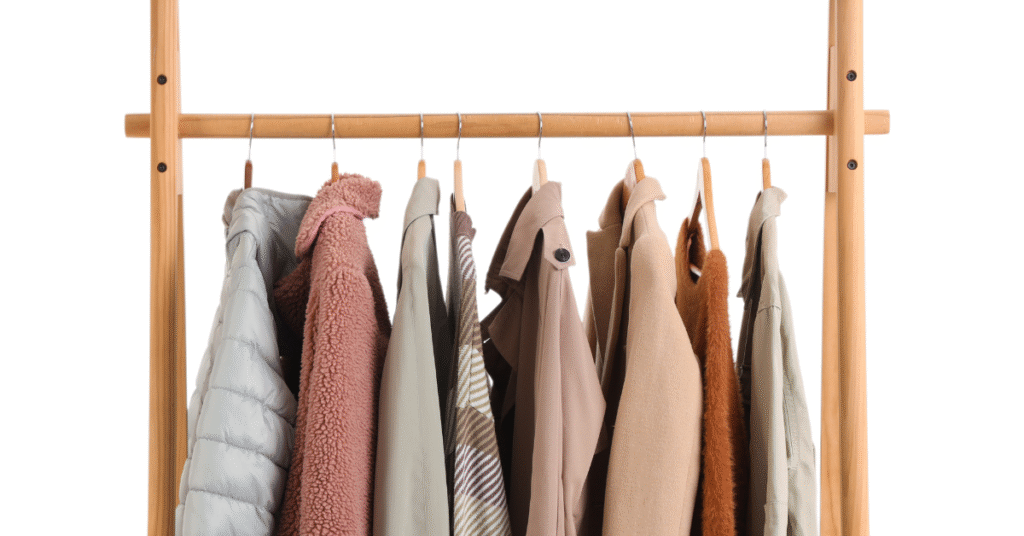
Winter fashion this year is defined by intelligent design, refined silhouettes, and performance-driven materials. Across global fashion markets, winter clothing trends reflect a deliberate move away from excessive bulk and short-lived trends toward timeless, versatile, and functional wardrobes. We are seeing garments that seamlessly transition between work, travel, and daily life—while maintaining elevated aesthetics and long-term wearability.
This comprehensive guide explores the most influential winter clothing trends, breaking down the fabrics, silhouettes, colors, and layering strategies that are dominating wardrobes everywhere.
Why Winter Clothing Trends Have Fundamentally Changed
Winter fashion is no longer dictated by extreme cold alone. Instead, modern winter wardrobes are shaped by:
- Fluctuating winter temperatures
- Urban lifestyles and remote work
- Higher demand for sustainability and longevity
- A focus on cost-per-wear rather than volume
As a result, winter clothing trends emphasize adaptability, multifunctionality, and premium construction—ensuring garments perform well across diverse environments.
Top Winter Clothing Trends You’ll See Everywhere This Year
Tailored Outerwear with Relaxed Structure
Tailored outerwear is the cornerstone of this year’s winter fashion landscape. The emphasis is on oversized yet structured coats that offer warmth without stiffness.
Defining Features
- Longline wool and wool-blend coats
- Soft-shoulder construction for fluid movement
- Clean lapels and minimal closures
- Neutral, versatile color palettes
This trend balances polished aesthetics with everyday comfort, making tailored coats suitable for professional settings, casual wear, and travel alike.
Elevated Knitwear as a Core Wardrobe Element
Knitwear has evolved into one of the most influential winter clothing trends, shifting from basic layering pieces to statement garments.
Key Knitwear Styles
- Ribbed knit midi and maxi dresses
- Chunky turtleneck sweaters
- Coordinated knit sets
- Fine-gauge merino and cashmere blends
Modern knitwear prioritizes temperature regulation and breathability, allowing pieces to be worn indoors and outdoors without overheating.
Quiet Luxury Neutrals Dominate Winter Palettes
Color trends this winter favor understated elegance. Rather than bold hues, wardrobes are built around neutral tones that enhance versatility and cohesion.
Trending Winter Colors
- Oatmeal
- Charcoal gray
- Chocolate brown
- Soft camel
- Off-white and cream
These shades elevate layering combinations while ensuring garments remain relevant across multiple seasons.
Functional Fabrics with Elevated Aesthetics
One of the most defining winter clothing trends this year is the integration of technical performance fabrics into everyday fashion.
Popular Fabric Innovations
- Water-resistant wool blends
- Thermal knits with moisture regulation
- Windproof inner linings
- Breathable synthetic insulation
This evolution ensures winter clothing delivers real-world protection while maintaining refined silhouettes.
Smart Layering for Maximum Versatility
Layering is no longer about adding bulk. Instead, winter fashion emphasizes strategic layering using lightweight, form-fitting pieces.
Essential Layering Items
- Fitted thermal tops
- Lightweight padded vests
- Long-sleeve knit dresses
- Base-layer leggings for skirts and dresses
Smart layering supports mobility, comfort, and adaptability—particularly for travel and urban lifestyles.
Winter Clothing Trends Comparison Table
Trend Category | Style Focus | Practical Benefit |
Tailored Coats | Structured yet oversized | Suitable for casual and formal settings |
Elevated Knitwear | Dresses, sets, textured knits | Warmth without heavy layering |
Neutral Palettes | Timeless, muted tones | Increased outfit reusability |
Functional Fabrics | Weather-resistant materials | Comfort in changing conditions |
Smart Layering | Lightweight essentials | Adaptable to temperature shifts |
How to Build a Trend-Forward Winter Wardrobe
A modern winter wardrobe is built around interchangeable core pieces rather than excessive seasonal items.
Key Principles
- Prioritize quality over quantity
- Invest in neutral outerwear
- Choose knitwear with structure
- Opt for functional fabrics
- Build outfits around layering compatibility
This approach ensures long-term relevance while reducing unnecessary purchases.
Sustainability and Longevity in Winter Fashion
Sustainability is no longer optional in winter clothing trends. Brands and consumers are increasingly focused on:
- Durable construction
- Natural and recycled fibers
- Seasonless silhouettes
- Reduced wardrobe turnover
Winter garments are now expected to last multiple seasons without compromising style or performance.
Winter Clothing Trends: FAQ
Tailored outerwear with relaxed silhouettes is the most dominant winter clothing trend this year.
Yes, neutral tones such as camel, gray, oatmeal, and chocolate brown are leading winter color trends.
Lightweight knits, thermal base layers, and fitted long-sleeve pieces are ideal for efficient layering.
Yes, knit dresses, matching sets, and textured sweaters remain essential winter wardrobe staples.
Wool blends, thermal knits, water-resistant fabrics, and breathable insulation are the most popular.
Final Takeaway: The Future of Winter Clothing Trends
This year’s winter clothing trends reflect a clear evolution toward refined functionality, timeless design, and intentional consumption. By focusing on tailored outerwear, elevated knitwear, neutral palettes, and performance-driven fabrics, winter wardrobes become more versatile, more sustainable, and more enduring.
These trends are not fleeting—they represent a long-term shift in how winter fashion is designed, worn, and valued.